The Garden of Eden Dilemma
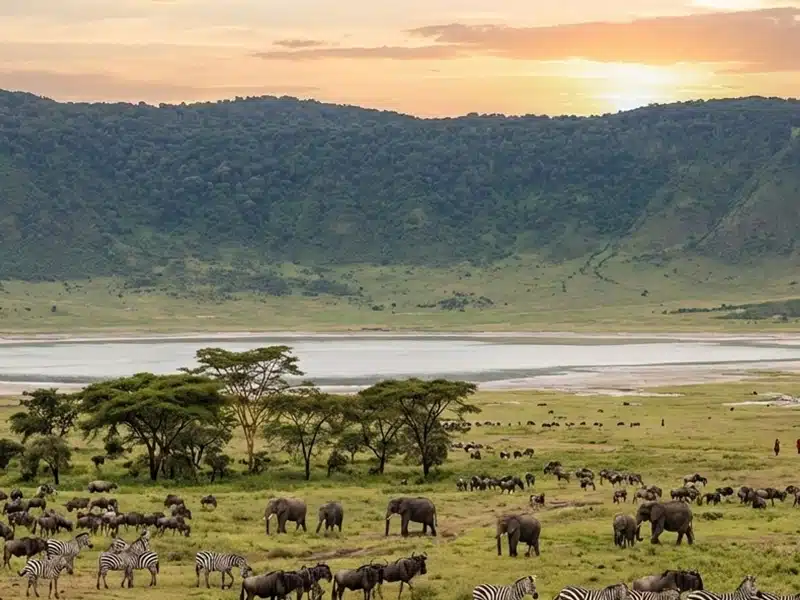
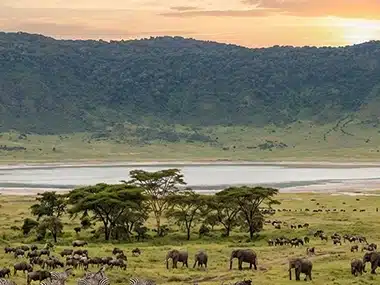
Imagine a massive, collapsed volcano filled with 25,000 large animals, including the incredibly rare black rhino. The Ngorongoro Crater is exactly that; it is a self-contained ecosystem where the ancient walls keep the wildlife in and the rest of the world out. For someone looking for a total reset, it sounds like the absolute perfect destination.
However, there is a catch that most brochures won’t tell you. Because the crater floor is relatively small, the number of safari vehicles can feel overwhelming if you don’t plan ahead. If you arrive at 10:00 AM, you might find yourself in a line of twenty jeeps watching a single lion. For Jonathan and Emily, who are looking for privacy and peace, this “commute” in the wild is exactly what they want to avoid when exploring the wider landscapes of Tanzania.
Timing Your Descent: The Early Bird Advantage
The real secret to a successful Ngorongoro Crater safari is the clock. The gates open at 6:00 AM, and your goal should always be to be the first vehicle in line. By starting early, you get to watch the mist rise off the lake and see the predators while they are still active in the cool morning air.
For the first two hours of the day, the crater floor feels like the ancient wilderness it is meant to be. This is why we prioritize lodges located directly on the crater rim. They provide the fastest access to the descent road, saving you an hour of driving from the outside towns. It is these small logistical choices that define why our approach to popular sites makes such a difference for your overall experience.
How Many Days Do You Really Need?
A common question we hear is: how many days in Ngorongoro should I actually plan? Unlike the vast Serengeti, where you can spend a full week and still see new things every day, the crater is quite compact.
One full day on the Ngorongoro Crater floor is usually enough to see the Big Five and experience the unique landscape without it feeling repetitive. Most of our clients find that six to eight hours in the crater gives them the full experience without the fatigue of sitting in a vehicle all day. We often pair this single, intense day with a more relaxed stay in the nearby highlands when building a carefully balanced itinerary to keep the energy of the trip right.
Choosing the Best Time to Visit Ngorongoro Crater
Weather plays a huge role in your experience on the floor. The best time to visit Ngorongoro Crater is generally during the dry season, from June to October. The grass is short, making it much easier to spot the black rhino, and the animals gather around the permanent water sources in the center.
If you prefer a quieter experience with even fewer people, you might consider the “Green Season” in November or March. While there is more greenery, there are also far fewer vehicles. The crater takes on a vivid green color, and the birdlife is absolutely incredible. For a busy professional, the trade off of a little rain for a lot more privacy is often worth it. This is a common theme across the variety of available destinations we manage.
We Manage the Logistics, You Enjoy the View
Navigating the permits and the precise timing for the crater requires deep local expertise. You shouldn’t have to worry about gate fees or coordinating with drivers while you are trying to relax. We handle the entire schedule, ensuring your private guide has everything ready for that 6:00 AM start.
We select the lodges that offer the best views and the most efficient access to the park, ensuring your “Garden of Eden” experience stays magical and stress free from start to finish.
Ready to see the crater before the crowds arrive? You can speak with our team whenever you are ready to start planning your Tanzanian journey.